When it comes to office furniture, the choice of a chair is crucial. An ergonomic office chair can transform your workspace. It enhances comfort and promotes productivity. But you might ask, "why should I invest in an ergonomic office chair?" The answer lies in the potential health benefits.
Imagine spending hours in front of your computer. Poor seating can lead to back pain, neck strain, and overall discomfort. An ergonomic chair supports the spine and encourages good posture. It also minimizes the risk of musculoskeletal disorders. Many users report increased focus and energy levels after switching to an ergonomic design.
However, not all ergonomic chairs are created equal. Some may lack proper lumbar support or have rigid cushioning. It’s essential to test various options before making a decision. Think about your daily routine. A well-chosen chair can make a significant difference in your work life. Investing in an ergonomic chair is investing in your health and productivity.
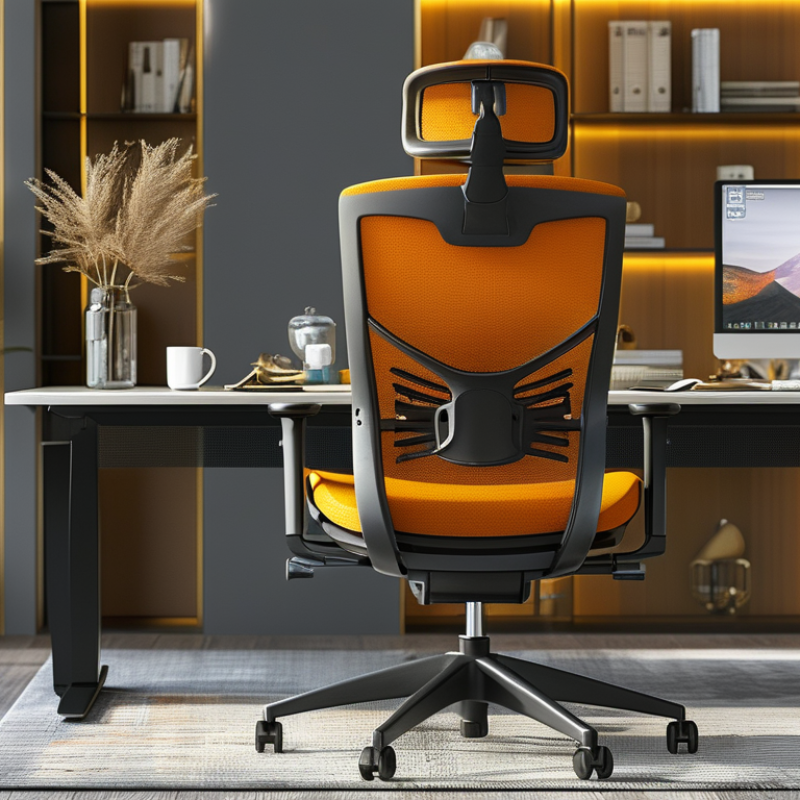
Ergonomics in office furniture is crucial for maintaining employee well-being. An ergonomic chair supports posture and reduces discomfort. When people sit for long hours, poor seating can lead to back pain and fatigue. A proper chair encourages a natural spine alignment. This way, workers can stay productive and focused.
It’s essential to consider adjustable features in an ergonomic chair. Different body types require different supports. For example, adjustable armrests help reduce shoulder strain. Seat height should allow feet to rest flat on the floor. Additionally, lumbar support should contour to the lower back. These elements can make a significant difference over time.
However, not all ergonomic designs are perfect for everyone. Some workers might find a particular chair uncomfortable after extended use. It’s important to encourage feedback and make adjustments as needed. Occasionally, companies overlook the specific needs of their team. A good understanding of individual comfort can enhance overall workplace productivity.
When choosing an ergonomic office chair, focus on specific features that enhance comfort and support. Adjustability is essential. A chair that allows settings for height, armrests, and lumbar support can accommodate various body types. Look for a chair that encourages natural posture, reducing stress on the spine. A height-adjustable seat ensures your feet rest flat on the ground, promoting circulation.
Consider the material used in the chair. Breathable fabrics can prevent heat buildup during long hours of work. Cushioned seats offer comfort but should be firm enough for support. Pay attention to the chair's mobility. Swivel and wheel functions allow easy movement, reducing strain when reaching for items.
Some chairs may appear ideal but fail in real-life settings. It’s wise to test a chair before committing. Not every feature might suit your personal needs, leading to discomfort over time. Aesthetics are vital, but they should not compromise functionality. Investing in the right chair not only boosts productivity but also supports your well-being.
When choosing an ergonomic office chair for your business, understanding employee preferences is crucial. Conducting surveys can provide valuable insights into what your team values in a chair. Some may prefer adjustable lumbar support, while others might prioritize seat height or armrest flexibility. Observing how employees interact with their current chairs can also guide decision-making.
Consider the variety of work styles present in your team. Employees who spend long hours at their desks may need more cushioned support. In contrast, those who frequently move around may benefit from lighter, more mobile chairs. Gather data on average work hours and the types of tasks employees perform. This helps in identifying specific needs and preferences.
It’s also essential to involve employees in the selection process. Encourage team members to test out different chairs. Their feedback will highlight what works and what doesn’t. While focus groups can provide a broad perspective, individual experiences can reveal details that large surveys might miss. Balancing these insights with ergonomic standards ensures that the chosen chair will truly enhance comfort and productivity.
| Chair Feature | Importance Level | Employee Preference | Budget Impact |
|---|---|---|---|
| Lumbar Support | High | Very Important | Moderate |
| Seat Height Adjustment | High | Important | Low |
| Armrest Adjustment | Medium | Moderately Important | Moderate |
| Materials Quality | High | Very Important | High |
| Mobility Features (Wheels) | Medium | Somewhat Important | Low |
| Recline Functionality | Medium | Important | Moderate |
When evaluating budget constraints for ergonomic office chairs, it’s essential to balance cost with quality. Research by the American Society of Ergonomics suggests that investing in ergonomic furniture can reduce workplace-related injuries by as much as 50%. This reduction translates into significant savings on healthcare costs and lost productivity. However, setting a realistic budget is vital for long-term benefits.
Consider various price points when selecting an chair. Ergonomic chairs can range widely in price, from $100 to over $1,000. A comprehensive analysis by the Human Factors and Ergonomics Society indicates a correlation between chair price and durability, comfort, and support features. Investing in quality chairs may mitigate future costs associated with employee health issues. However, it is crucial to avoid overspending on features that may not suit your workforce's needs.
Tips for staying within budget include evaluating the essential features of ergonomic chairs, such as lumbar support and adjustable components. You might find that mid-range options offer sufficient support. Additionally, consider bulk purchasing to secure discounts. Keep in mind that high price tags do not always guarantee the best ergonomic benefits. Regular feedback from employees can guide future chair selection and ensure that their needs are met without excess spending.
Choosing an office chair can significantly impact employee comfort and productivity. Research shows that over 60% of workers experience back pain due to poorly designed chairs. To prevent this, testing chairs is essential. When evaluating a chair, focus on seat height and lumbar support. The chair should allow your feet to rest flat on the ground. This position promotes better blood circulation and reduces strain.
Consider the seat depth; it should ideally allow two to four fingers' width between the edge of the seat and the back of your knees. Pay attention to the armrest height; they should support your arms without raising your shoulders. According to the Human Factors and Ergonomics Society, adjustments in seating can reduce fatigue by up to 30%. Employees should have ample opportunity to test chairs before making a decision. Allow them to sit for at least 15 minutes in various positions.
It's also crucial to understand individual preferences. Different body types require different levels of support. An ergonomic chair for one person may not be suitable for another. Encourage employees to discuss their experiences and preferences. Collecting this feedback can help create a workspace that meets diverse needs. Regularly reassessing chair comfort can further improve workplace satisfaction and well-being.
: Focus on adjustability for height, armrests, and lumbar support to suit various body types.
Breathable fabrics prevent heat buildup, while cushioned seats need to be firm for proper support.
Test chairs for at least 15 minutes. Check seat height and lumbar support for comfort.
Look for swivel and wheel functions that help reduce strain when reaching for items.
Conduct surveys and involve team members in testing chairs to gather useful feedback.
Ideally, there should be two to four fingers’ width from the seat edge to the back of your knees.
Different body types need different support levels; one chair may not fit all.
Continuous feedback on chair comfort can enhance workplace satisfaction and overall well-being.
Over 60% of workers report back pain from poorly designed chairs.
Prioritize functionality over looks; a beautiful chair won't help if it doesn't provide support.
When considering an ergonomic office chair for your business needs, it's essential to understand the significance of ergonomics in promoting employee well-being and productivity. An ergonomic chair can alleviate discomfort, reduce the risk of musculoskeletal issues, and enhance focus, which ultimately leads to a healthier work environment. Key features to consider include adjustable height, lumbar support, and seat depth, which cater to the diverse preferences of your workforce.
Assessing your specific business needs alongside employee preferences will help in selecting the best fit, while also keeping budget constraints in mind. Testing different models is crucial to ensure comfort and suitability for your workplace. If you’re wondering, "why should I invest in an ergonomic office chair," the answer lies in the long-term benefits of fostering a supportive and efficient workspace that can lead to increased employee satisfaction and productivity.
