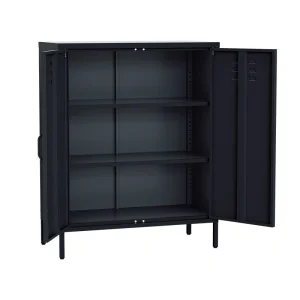
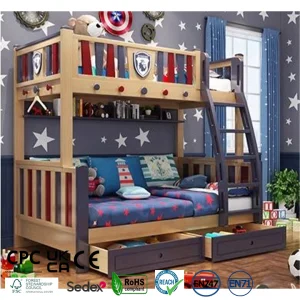
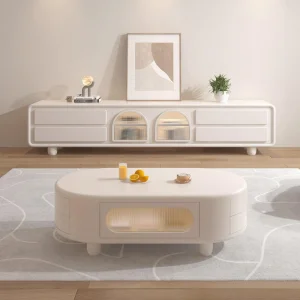
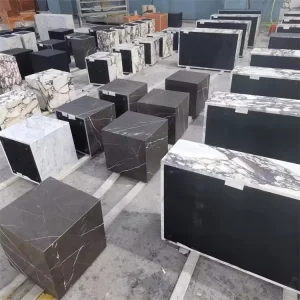
Featured Mobile Storage & Custom Modular Solutions
Explore our premium selection of engineered commercial and residential furniture modules. Available for customized dimension configurations and high-performance OEM production schedules.
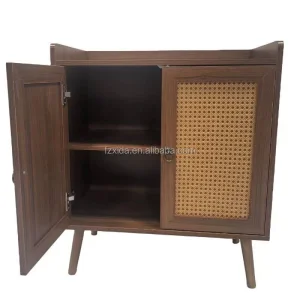
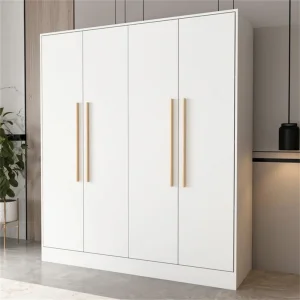
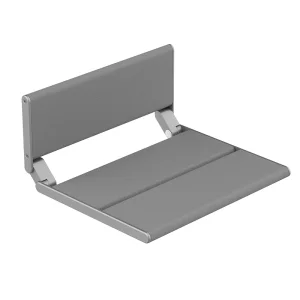
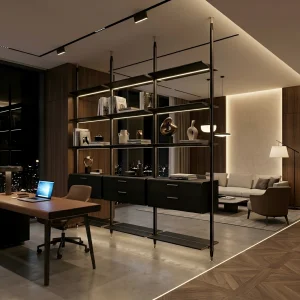
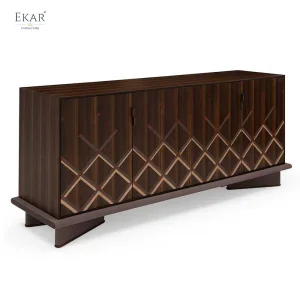
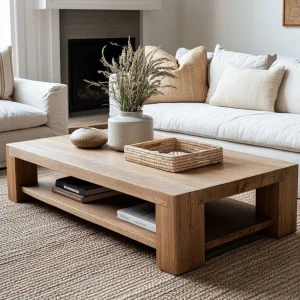
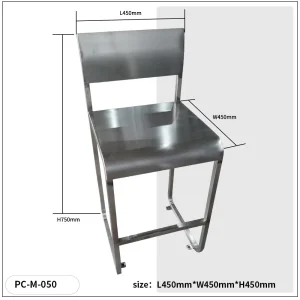
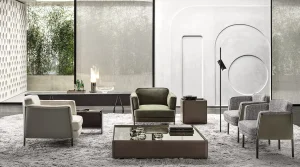
Guangdong Kallos House Co., Ltd. — Industrial Furniture Scale
Established in 2013, Guangdong Kallos House Co., Ltd. has developed into a premier global furniture manufacturing partner. Our specialized design-to-production pipeline powers major hospitality networks, corporate developments, and high-volume retail supply chains globally.
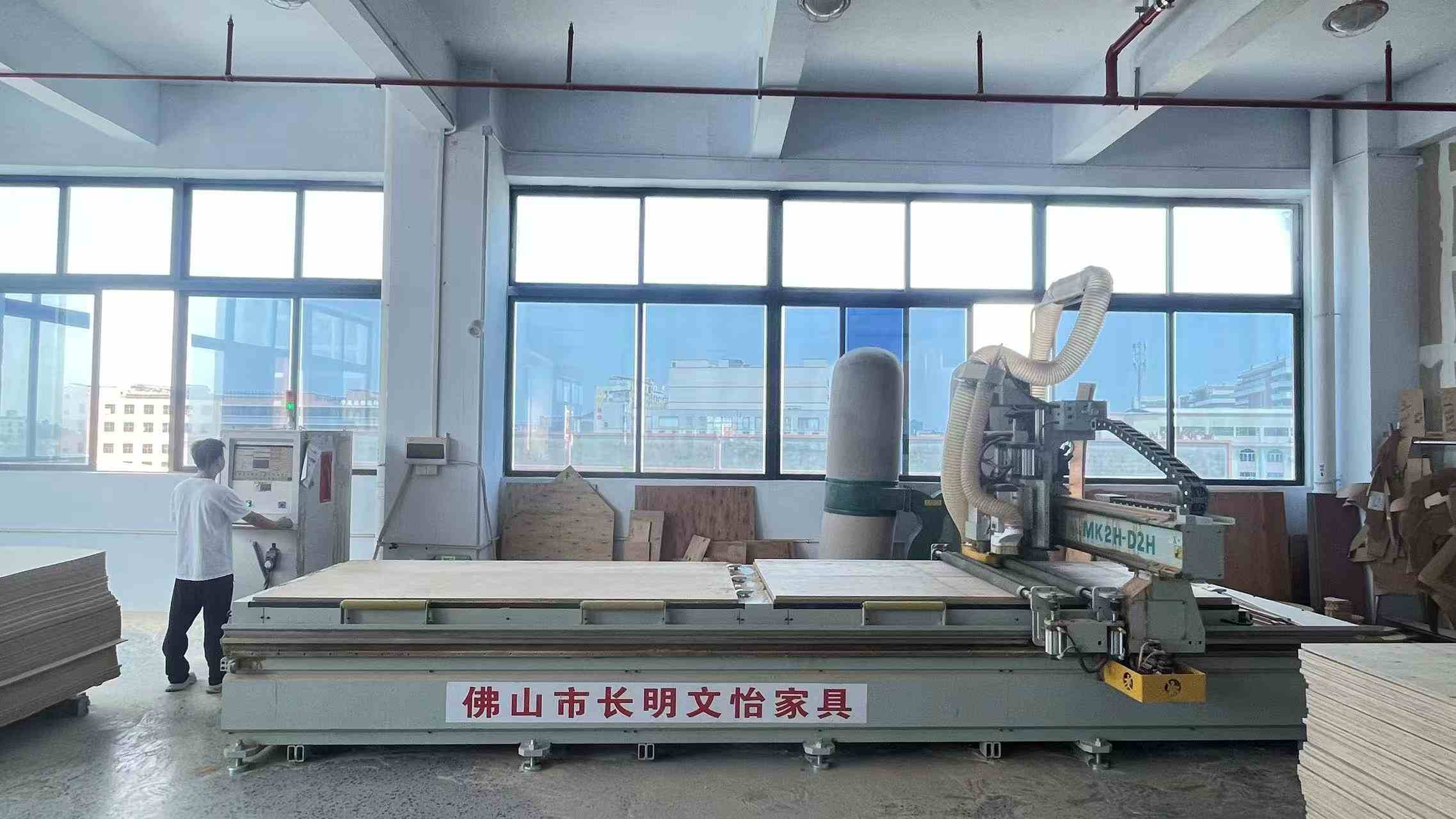
Integrating advanced production management software with CNC-guided machining, Kallos House manages complex product geometries across solid woods, composite boards, steel frames, and eco-friendly surfaces. We specialize in producing robust, mobile kitchen carts engineered to withstand heavy, continuous use in environments like high-traffic family kitchens and five-star culinary prep stations.
Our collaborative design engine operates on precision 3D CAD modeling. This enables us to turn high-level concepts into spatial plans and manufacturing blueprints in just a few days. We also offer rapid material prototyping. This allows hospitality purchasers, commercial developers, and brand managers to refine custom designs until they meet exact structural and aesthetic standards.
Global Enterprise Procurement: Critical Requirements for OEM Kitchen Carts
B2B furniture buyers, retail wholesalers, and project specifiers require more than basic storage capacity. Modern commercial and residential spaces demand mobility solutions that combine structural strength, health compliance, and long-term durability. When sourcing custom kitchen carts, global supply chain managers look for key performance indicators:
- Dynamic Load Capacity: Premium kitchen carts must support heavy countertop appliances, loaded cutlery drawers, and storage bins. They need structural steel inner frames or engineered mortise-and-tenon wood joins to handle loads over 150 kg without shifting or bowing.
- Industrial-Grade Mobility: Heavy-duty castor wheels are essential. We use 360-degree ball-bearing casters made of non-marking polyurethane. These keep movement smooth and quiet over wood, tile, or marble, and include dual-lock brake mechanics to keep the unit secure when stopped.
- Surface Resilience: Tops must resist water absorption, food acids, heat, and scratches. Options range from food-grade 304 stainless steel and treated solid rubberwood to antimicrobial ceramic and quartz composite tops. These surfaces must be easy to sanitize and stand up to commercial cleaning agents.
- Smart Storage Integration: Space efficiency is key. Carts should feature adjustable interior shelves, soft-close magnetic drawer slides, drop-leaf surface extenders, and integrated accessory racks (like towel bars, spice holders, and stemware slots) to maximize utility in compact spaces.
China Industry 4.0: Modern Manufacturing Processes & Supply Chain Resilience
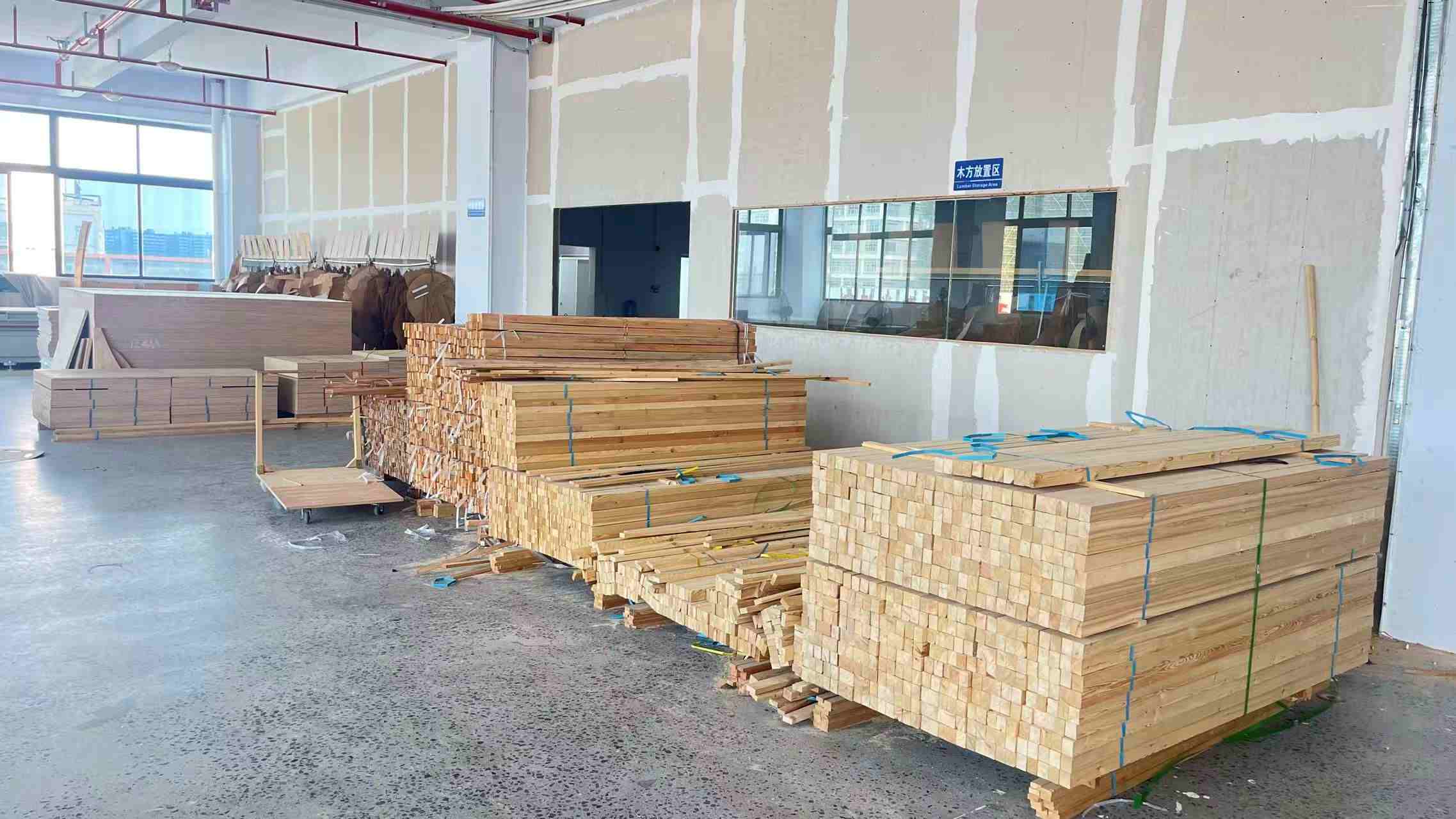
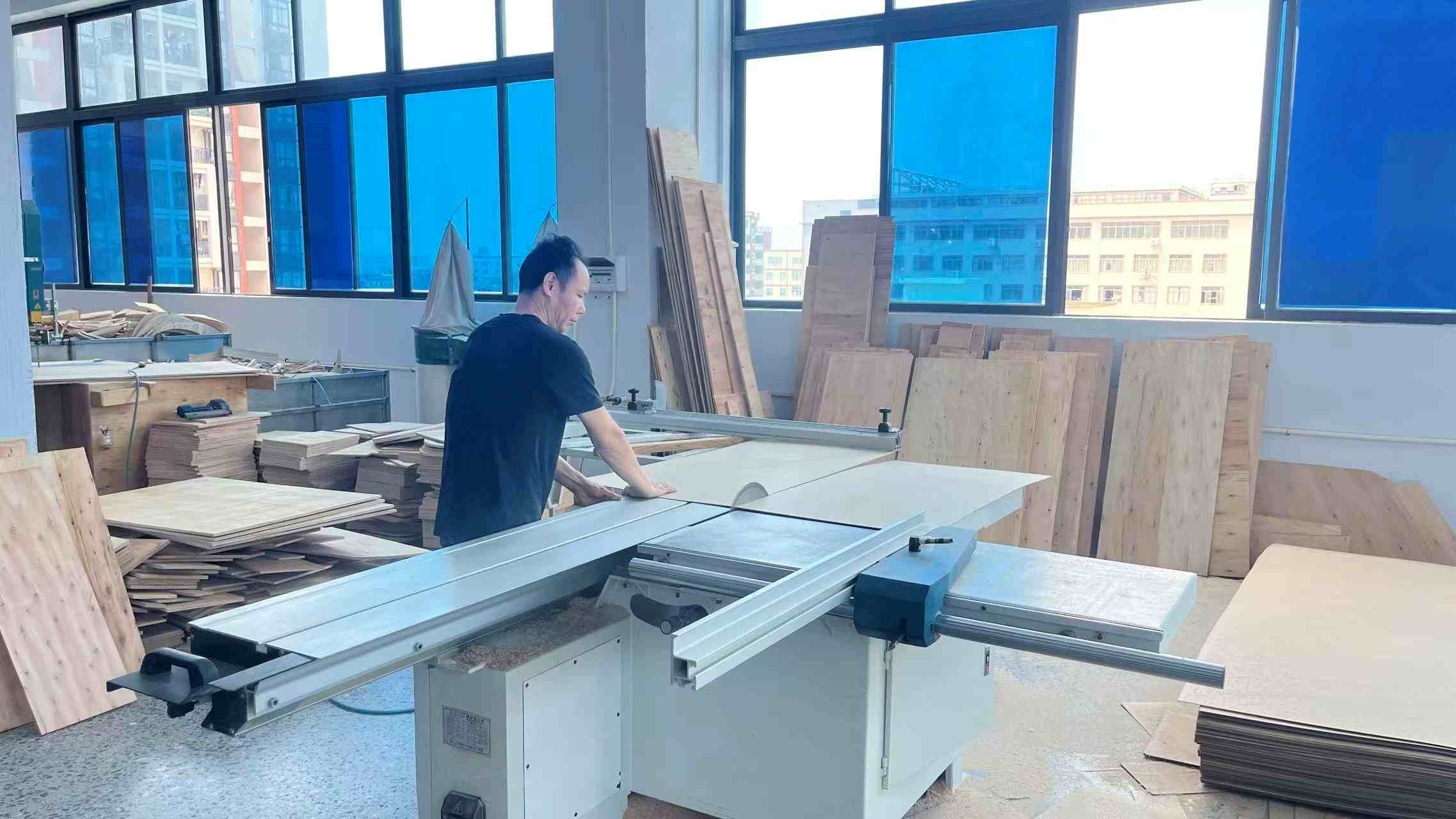
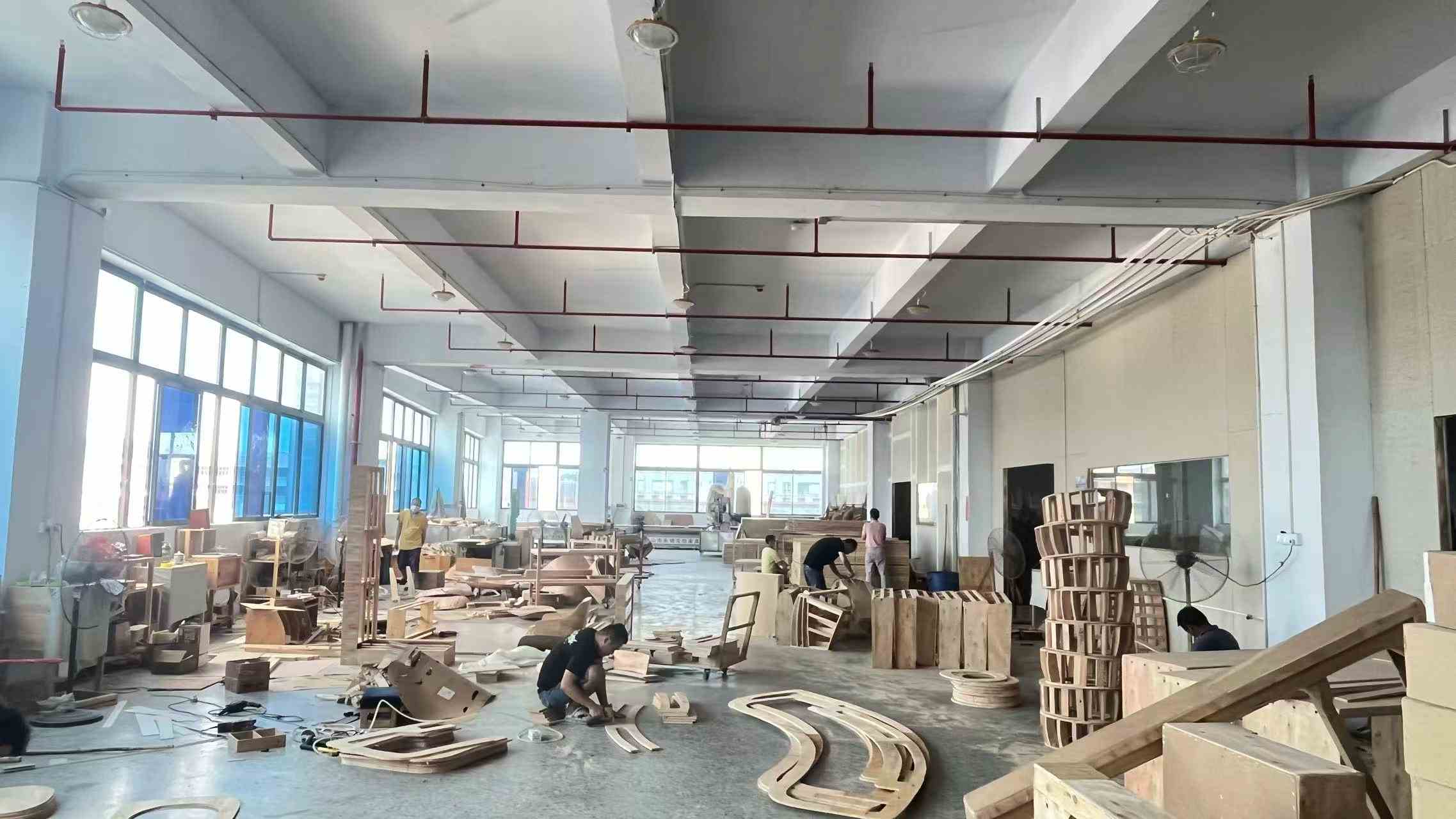
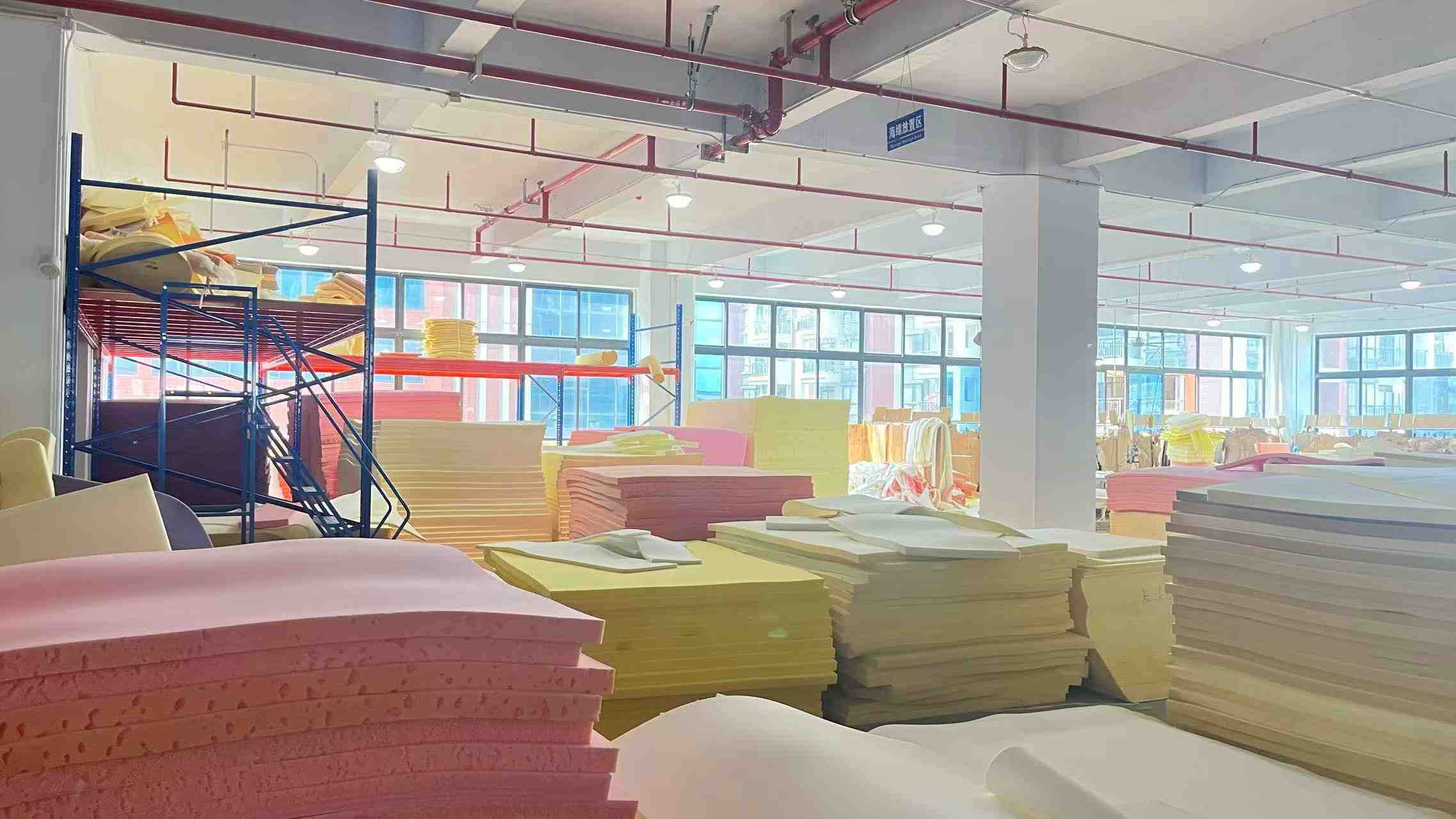
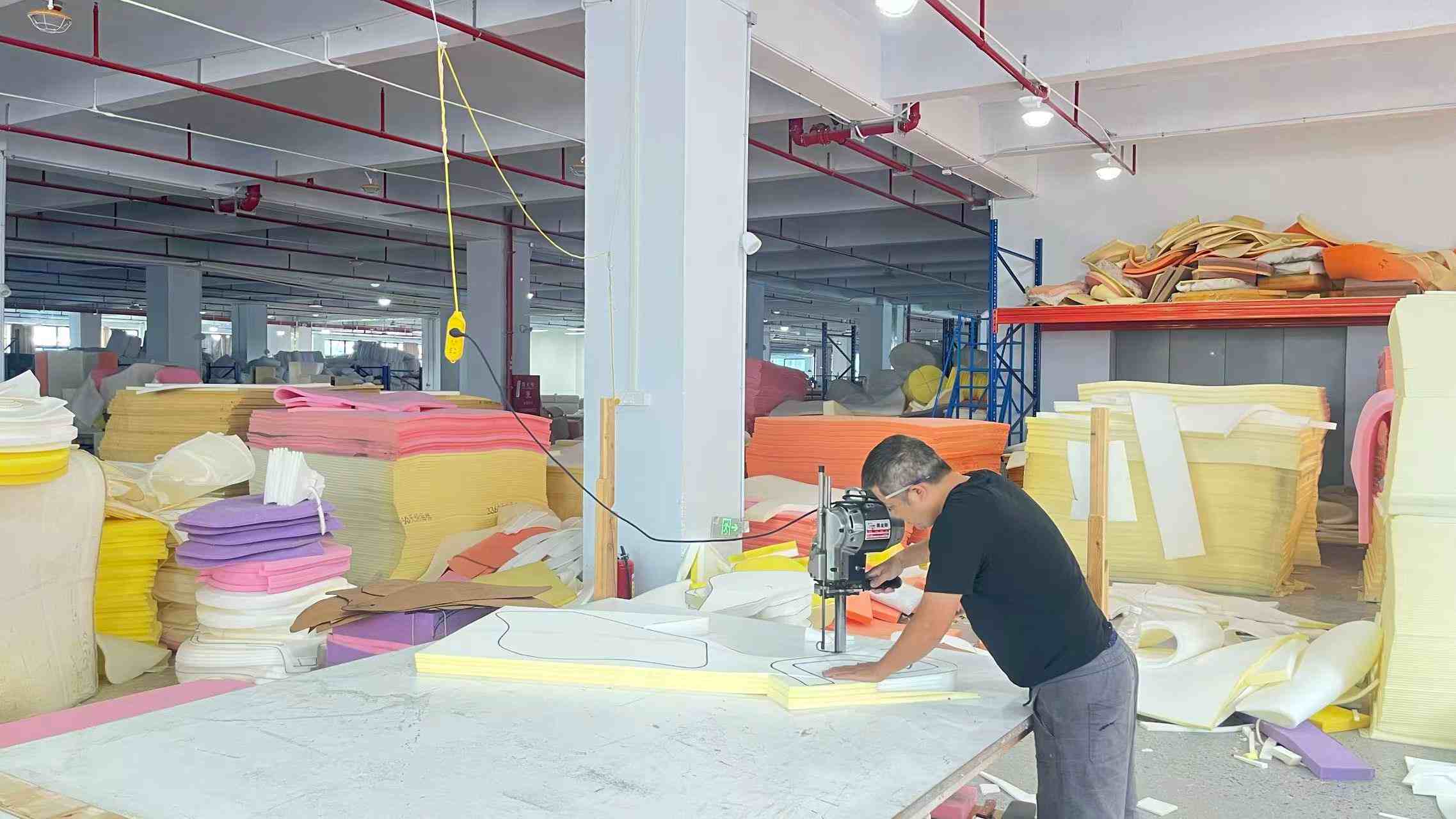
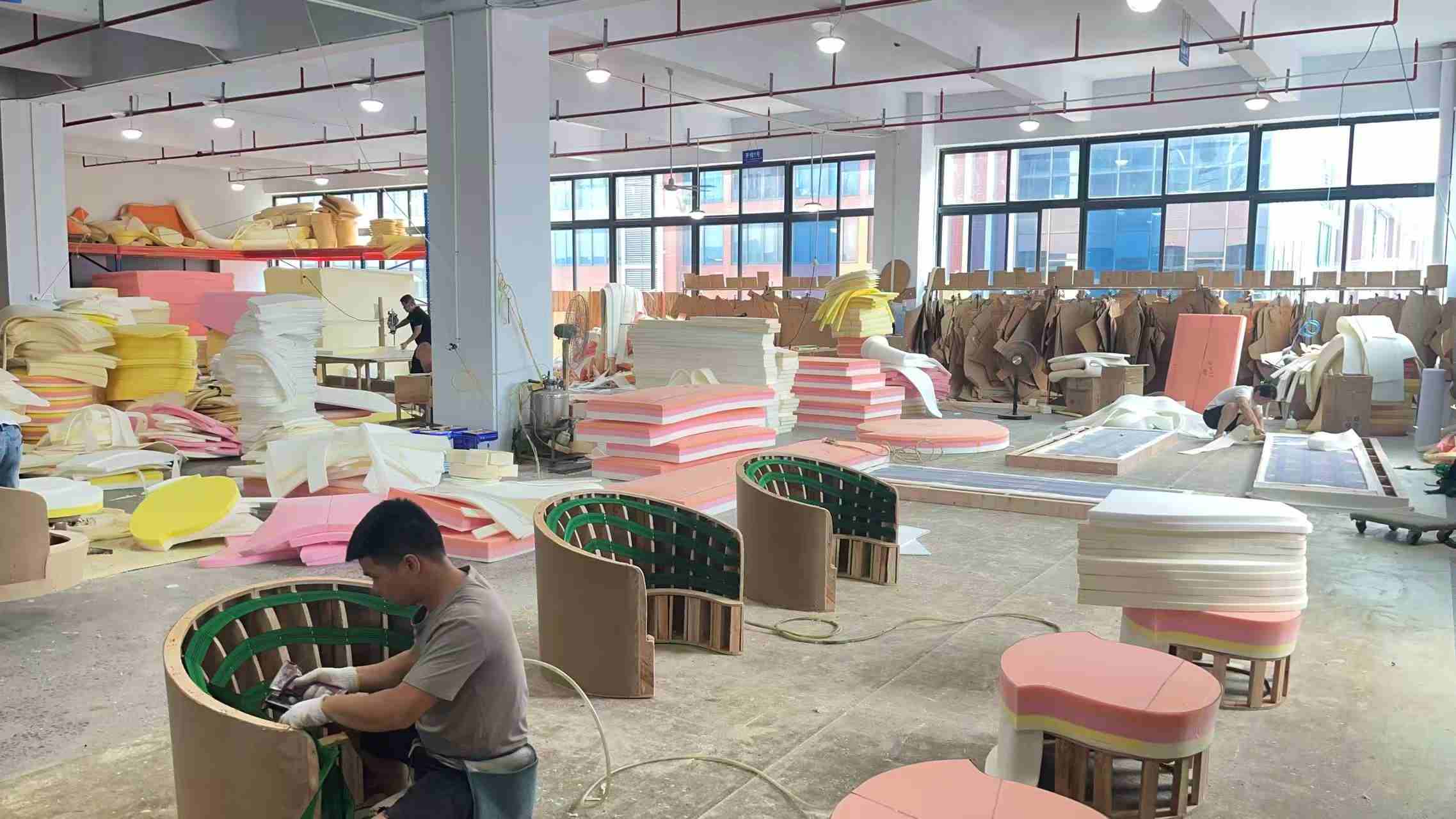
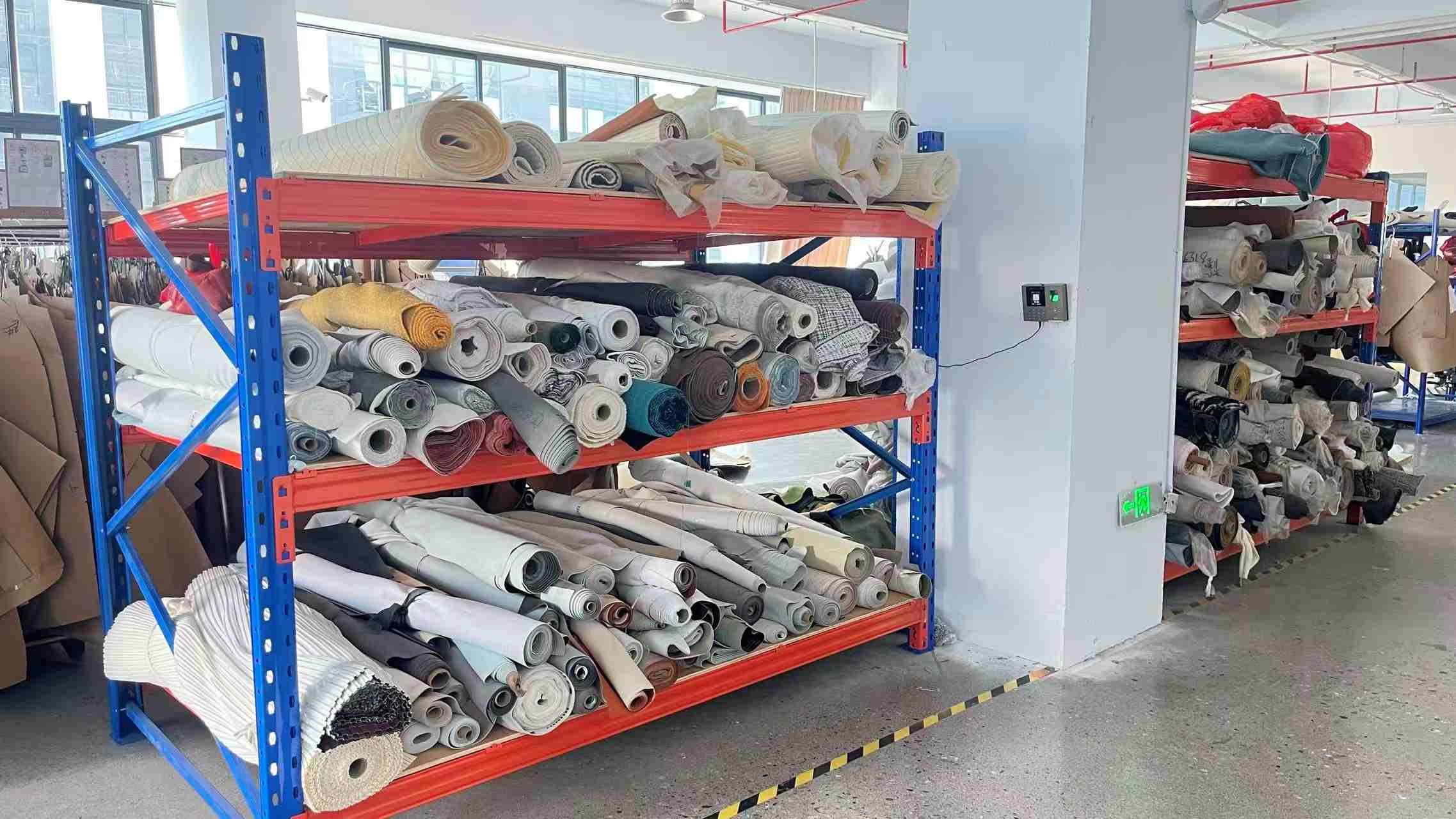
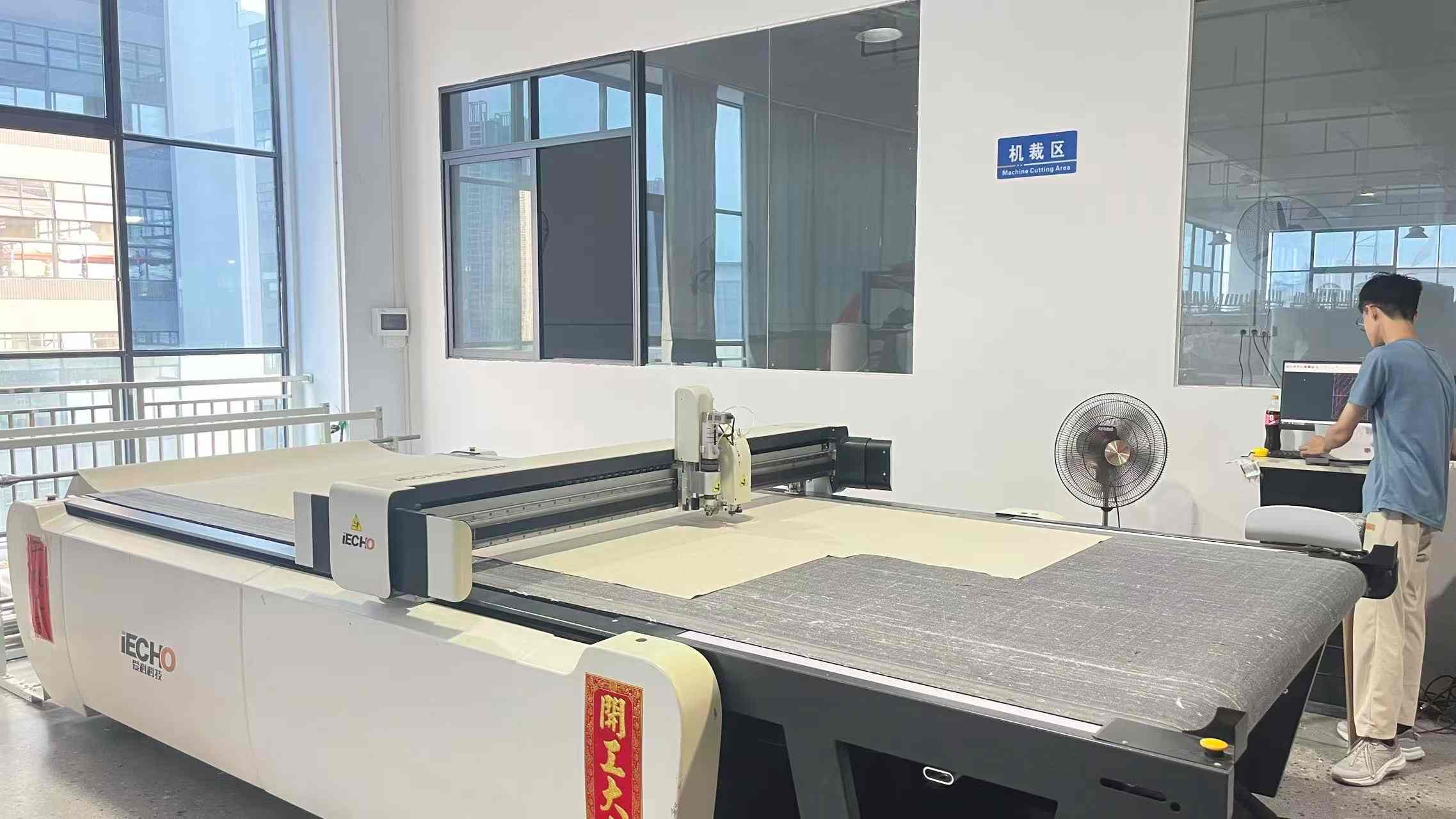
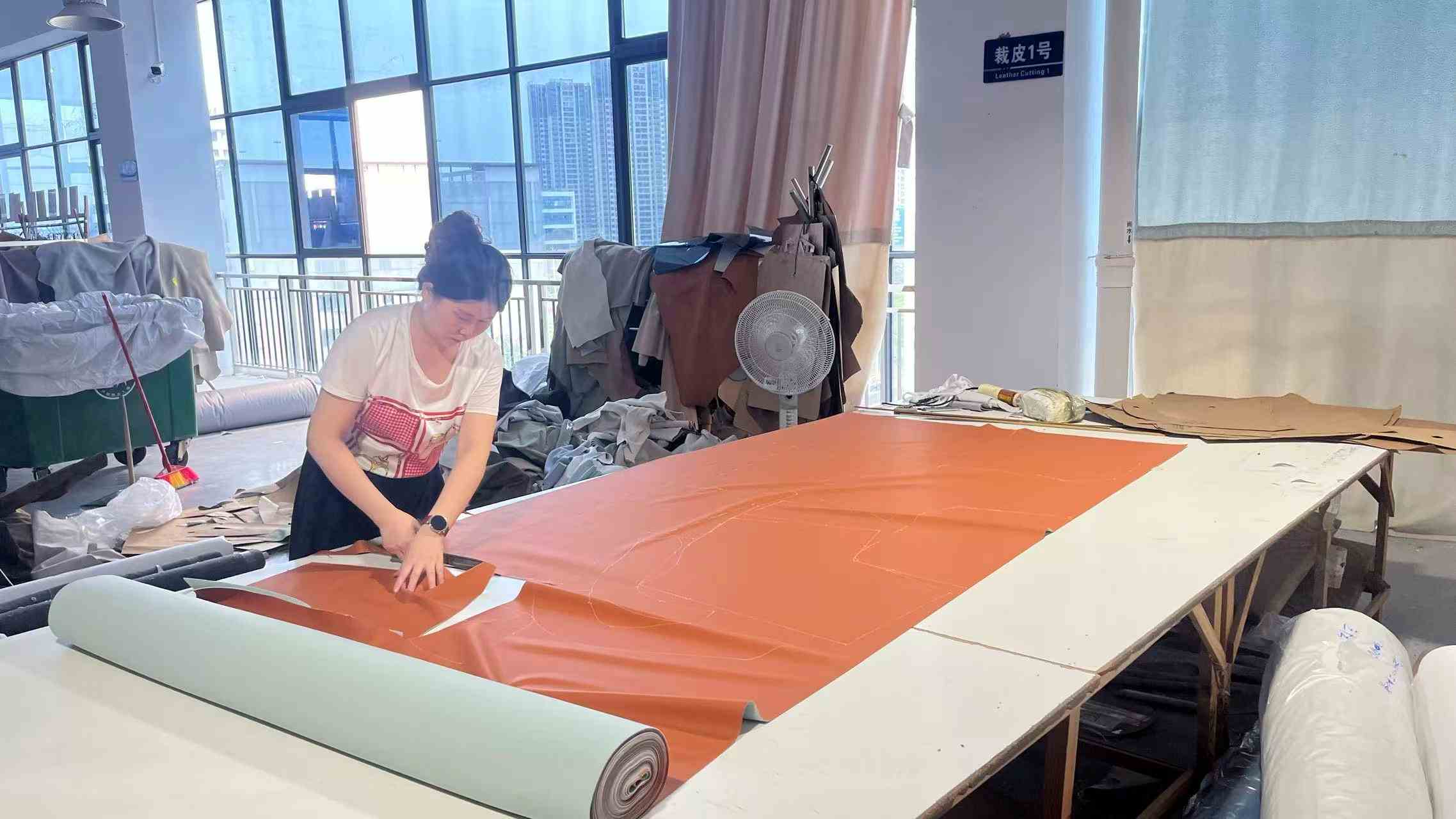
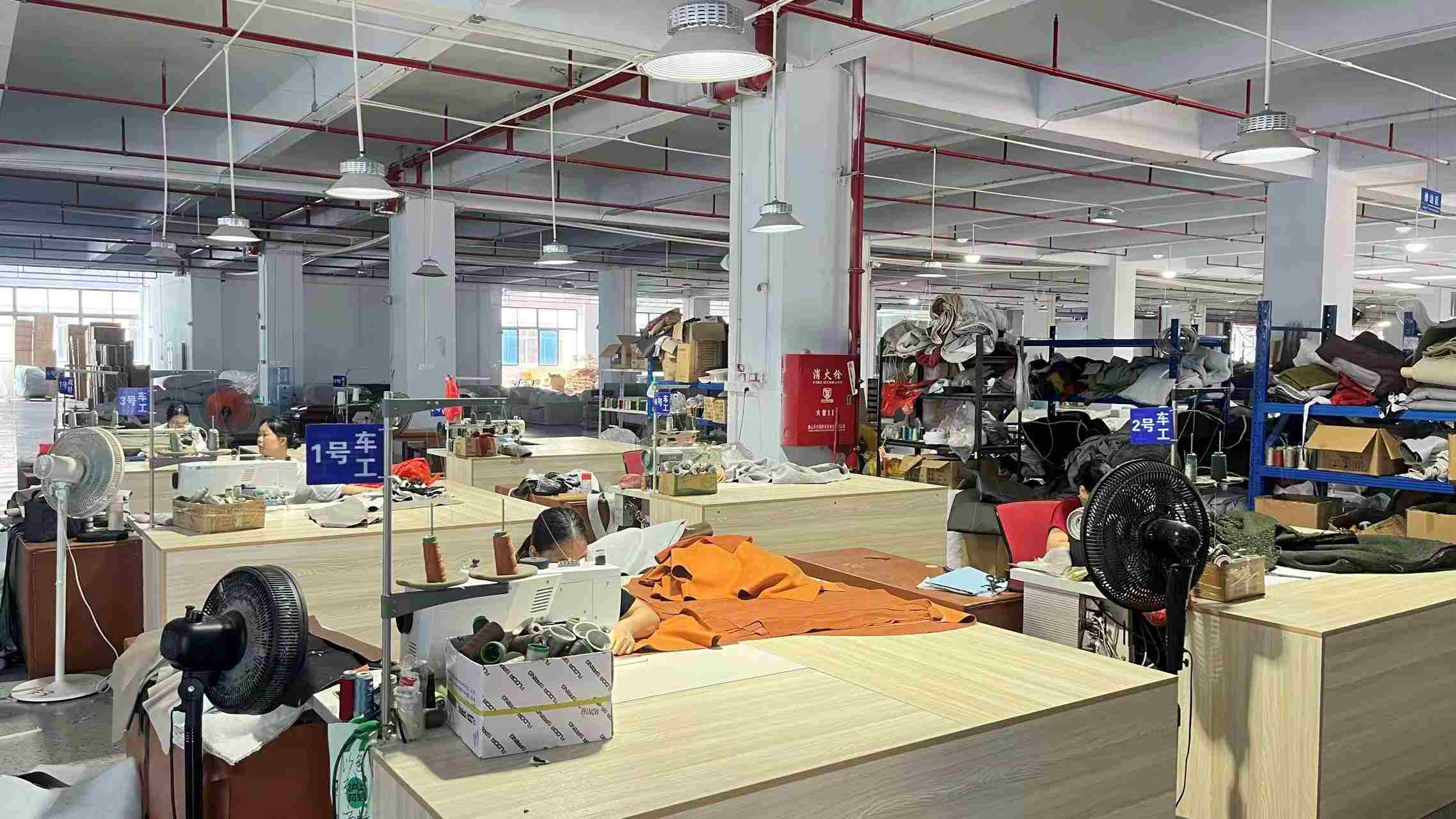
Our factories leverage automated production systems to maintain consistent quality while keeping manufacturing efficient. We use automated timber selection, CNC laser cutters, and high-precision sewing systems to ensure every product line meets close tolerances. This structure guarantees that bulk orders match original approved prototypes exactly.
Below is an overview of our modern, step-by-step manufacturing and assembly process at our primary facility:
Macro Industry Solutions: Tailored Configurations for Diverse Environments
Mobility solutions serve different roles depending on the commercial setting. A residential kitchen island cart requires different materials and designs than a hotel room service cart or a cloud kitchen prep trolley. We design and build variations to fit these diverse applications:
- Core RequirementsSilent operation, high load capacity
- Chassis StructureStainless steel or solid oak wood
- Wheel SpecificationsDual-locking non-marking PU
- Aesthetic FinishAnti-microbial veneers, stone tops
- Core RequirementsCompact storage, multi-functional
- Chassis StructureDrop-leaf natural wood / steel
- Wheel SpecificationsConcealed dual-directional wheels
- Aesthetic FinishMatte lacquers, natural coatings
- Core RequirementsCoffee stations, media-friendly
- Chassis StructureHigh-density fiberboard & iron
- Wheel SpecificationsSoft carpet-glide nylon castors
- Aesthetic FinishTextured laminates, modern wire management
Technology Roadmap & Future Outlook: Next-Generation Mobile Furniture
Mobile furniture is evolving beyond simple cabinets on wheels. Kallos House's design team is leading this shifts by developing and integrating modern design features:
- Modular Interlocking Systems: We are designing products with interlocking systems that let buyers connect multiple carts together. This allows users to create larger, unified prep tables or buffet displays, and then easily split them back into separate mobile units.
- Antimicrobial and Eco-Friendly Materials: We are testing nano-engineered surface coatings that resist bacteria growth. Additionally, we are sourcing FSC-certified, bio-composite boards to meet the growing demand for sustainable, green-certified products.
- Integrated Power & Charging Solutions: Future designs will feature built-in power outlets and USB ports. Safe, retractable power cables allow users to run mixers, coffee makers, and smart screens directly from the cart.
Localization Support & Global Compliance Assurance
Shipping custom furniture worldwide requires meeting strict local import regulations, safety guidelines, and environmental standards. We ensure all custom OEM orders comply with major international requirements, including:
Formaldehyde Emissions: All engineered wood materials, including MDF, particleboard, and plywood, meet CARB Phase 2 and EPA TSCA Title VI standards, certifying low emissions for indoor air safety.
Structural & Loading Safety: We perform structural load tests, tilt assessments, and castor rolling tests to make sure every cart is stable and safe, reducing liability risks for hospitality and commercial clients.
ISTA Packaging Protection: To prevent damage during shipping, we package products to pass ISTA 3A / 6A drop tests. This features reinforced edges, molded corner protectors, and heavy-duty double-wall cartons, ensuring products arrive in perfect condition.
Industry FAQ: Insights from an OEM Manufacturer
Q1: What is the typical Minimum Order Quantity (MOQ) for custom OEM kitchen carts?
A1: Our standard MOQ for custom production runs starts at 50 to 100 units per style, depending on design complexity, material requirements, and component options. We also support smaller initial orders for verified commercial hospitality projects.
Q2: Can we choose custom countertop materials, such as quartz, granite, or stainless steel?
A2: Yes. We work with various materials, including solid rubberwood, oak, food-grade 304 stainless steel, sintered stone, quartz, and heavy-duty laminate. We customize countertops to meet your project's specific style and durability needs.
Q3: How does your design team handle structural prototyping?
A3: We start by creating 3D CAD/SolidWorks models based on your product ideas or reference sheets. Once you approve the digital designs, we can produce physical prototypes at our facilities for you to evaluate and test before starting bulk production.
Q4: Are your wood panels and paint coatings compliant with international environmental laws?
A4: Absolutely. We source FSC-certified raw lumber and use engineered wood panels that meet CARB Phase 2 and EPA TSCA Title VI standards. Our liquid paints, stains, and UV-cured coatings are formulated to be low-VOC and meet EU REACH safety regulations.
Q5: What packaging and shipping standards do you offer for drop-ship or e-commerce orders?
A5: We provide mail-order drop-ship packaging that meets ISTA 3A and 6A standards. This features thick EPE foam corners, custom wood frame crates for fragile elements, and double-wall corrugated boxes to prevent damage during long-distance transit.
Q6: What is the typical lead time from prototype approval to delivery?
A6: Generally, bulk production takes 35 to 45 days after prototype approval and deposit receipt. Lead times can vary depending on material availability, design complexity, and our current production schedules.
Complete Project furniture & Architectural Solutions
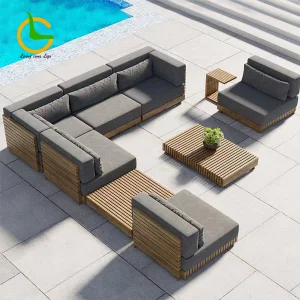
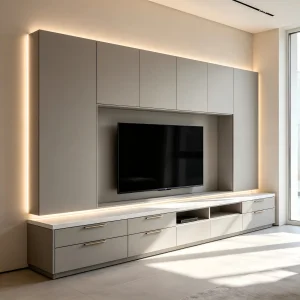
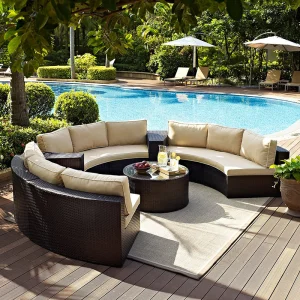
Explore our collection of custom dining, hospitality, bedroom, and outdoor furniture. Designed and built to match the style and functional needs of global commercial projects.